Featured Products
£5.95 Ex Tax: £4.96

£52.95 Ex Tax: £52.95
£3.65 Ex Tax: £3.65


The Complete Guide to Raw Dog Food Benefits
Shop the RangeRaw dog food is a diet made from fresh, uncooked ingredients that reflects what dogs are naturally adapted to eat. It provides a simple, minimally processed alternative to traditional dog food, without artificial additives, grains, or high-temperature processing.


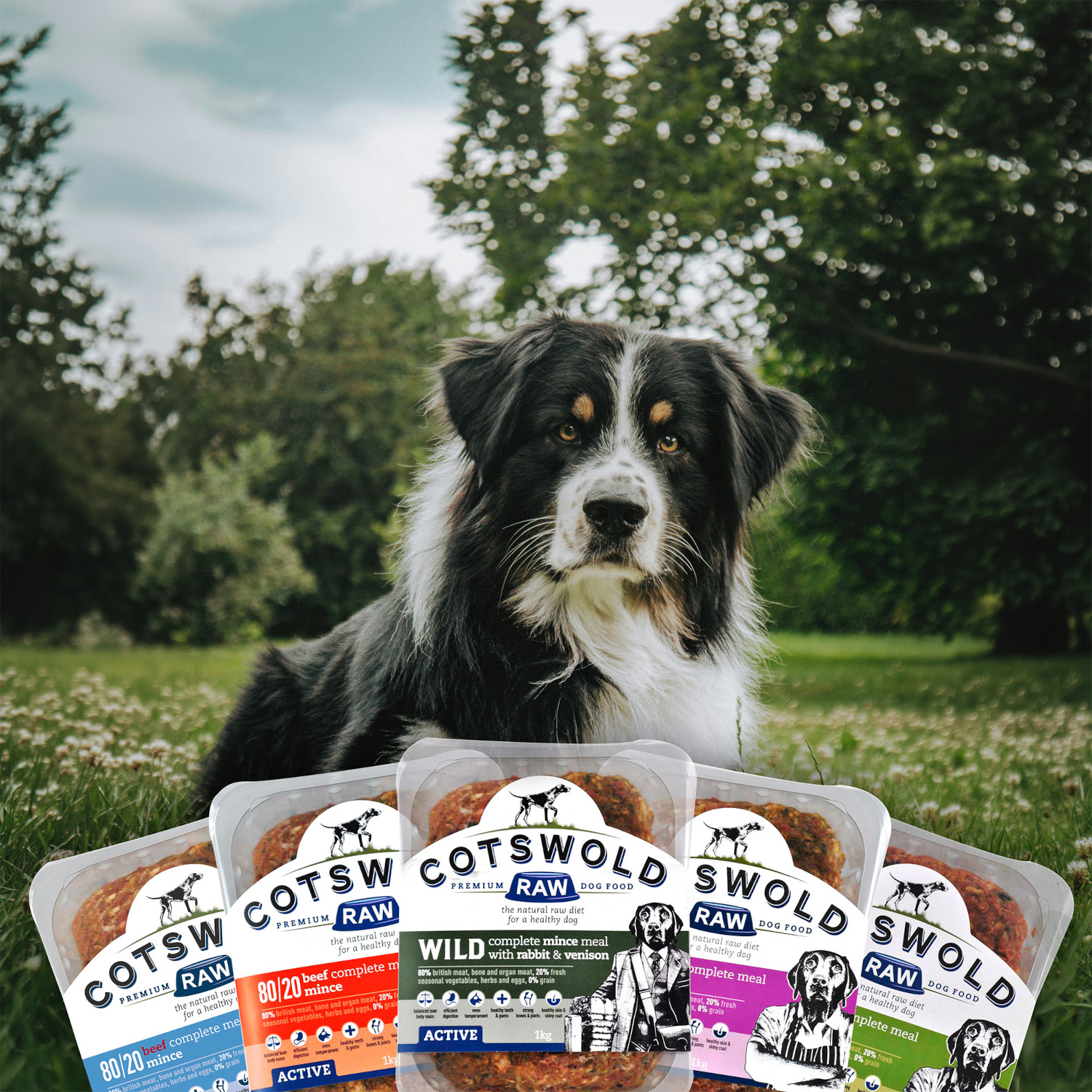
At Cotswold RAW, our complete meals are carefully formulated using an 80/20 recipe: 80% quality meat, bone and offal, combined with 20% fresh vegetables and herbs.
These meals are nutritionally complete and balanced in line with FEDIAF guidelines, ensuring your dog receives all the essential nutrients they need in every meal.
Raw feeding combines the benefits of fresh, natural ingredients with the convenience of a ready-prepared complete meal. Whether you're new to raw feeding or have been feeding raw for years, Cotswold RAW makes it easy to provide your dog with a wholesome, balanced diet inspired by the way they were naturally designed to eat.
Dogs are facultative carnivores, meaning they are biologically adapted to thrive on a meat-based diet while also being able to digest and utilise a wider variety of foods than obligate carnivores.
Their anatomy and digestive physiology, from their teeth and jaw structure to their stomach acidity and digestive enzymes, are all well suited to processing meat, bone and animal fats efficiently.
A dog's mouth is designed for gripping, tearing and crushing food rather than grinding it. Their sharp carnassial teeth act like scissors to slice through meat, while their jaws move primarily up and down with very little side-to-side motion. This allows them a stronger bite force for breaking down meat and bones. Additionally, a dog’s saliva contains lysozymes, which are naturally occurring antibacterial enzymes that help break down the cell walls of certain bacteria, providing an important first line of defence against microbes before food reaches the stomach.
Once food reaches the stomach, it is exposed to highly acidic gastric juices, typically with a pH between 1 and 2. This acidic environment activates digestive enzymes such as pepsin, which efficiently break down proteins, while also helping digest raw meaty bones and reducing the survival of many unwanted microbes. Dogs also have a relatively short digestive tract compared with omnivores such as humans. This allows animal proteins and fats to be digested efficiently, with food passing through the gut quickly to prevent unwanted microbial colonisation.
Together, these digestive adaptations demonstrate how dogs are equipped to digest and utilise nutrients from meat-based diets efficiently, highlighting the importance of feeding a complete and balanced diet that meets their nutritional requirements.

A complete and balanced raw diet can support many aspects of your dog's health and wellbeing.
Key benefits include:
Discover the benefits of better digestion and gut health.
Further information:
Digestion is often one of the first areas where owners notice a difference after switching to a complete and balanced raw diet. Healthy digestion depends on efficient nutrient absorption, a balanced gut microbiome, and the right balance of fibre and moisture. Together, these factors help support digestive comfort and overall wellbeing.
Raw diets are naturally rich in highly digestible animal proteins and fats, allowing nutrients to be efficiently broken down and absorbed. As more of each meal can be utilised by the body, less waste is produced during digestion. Raw meals also contain naturally occurring moisture, which supports hydration and healthy digestive function.
A dog's diet has a significant influence on the gut microbiome, the diverse community of beneficial bacteria that plays an important role in digestion, immune function and overall health. Beneficial bacteria help maintain gut balance by competing with undesirable microorganisms and supporting normal digestive processes.
Digestive enzymes, produced naturally by the pancreas and small intestine, break food down into nutrients that the body can absorb and use. Fresh ingredients also contain naturally occurring enzymes, complementing the digestive process.
Together, these factors help create a healthy digestive environment. The sections below take a closer look at three key aspects of digestive health: visible stool quality, support for sensitive stomachs, and the gut microbiome.
Stool quality is often one of the most noticeable changes when switching to a complete and balanced raw diet. With a greater proportion of nutrients efficiently digested and absorbed, dogs typically produce less waste. Owners commonly report smaller, firmer and less odorous stools, which are easier to pick up. The inclusion of bone in raw diets naturally contributes to firmer stools and supports normal anal gland function. In some cases, stools may appear lighter in colour.
Emerging research has found that dogs fed a raw diet from puppyhood may be less likely to develop chronic digestive issues later in life. One reason may be that raw diets provide highly digestible proteins and fats, allowing nutrients to be broken down and absorbed efficiently while reducing the amount of undigested material reaching the lower digestive tract. Fresh, minimally processed ingredients also contain naturally occurring enzymes that complement the digestive process, helping to support normal digestive function in dogs with sensitive stomachs.
The gut microbiome is the community of microorganisms that lives within your dog's digestive tract, playing a vital role in digestion, immune function and overall health. Diet is one of the strongest influences on its composition, and research has shown that raw-fed dogs develop a distinct gut microbiome compared with kibble-fed dogs. Several bacterial groups that naturally dominate the canine gut, including Fusobacterium and Enterobacteriaceae, are particularly well adapted to digesting meat-based diets. Raw feeding has also been associated with increased production of butyrate, a short-chain fatty acid that provides energy for the cells lining the colon and helps maintain a healthy intestinal environment. Together, these changes support a balanced gut ecosystem and healthy digestive function.
Discover the benefits of healthier teeth and gums.
Further information:
Raw food contains no added sugars or refined starches, providing fewer readily fermentable carbohydrates for oral bacteria to thrive on. Thus, its naturally low carbohydrate content creates a less favourable environment for plaque accumulation and tooth decay. Unlike humans, dogs produce little salivary amylase, so starchy residues from processed foods are less readily broken down in the mouth and can remain on the teeth, contributing to plaque formation. Raw diets also retain naturally occurring enzymes that may help support oral health alongside their minimally processed ingredients. Research has shown that dogs fed a non-processed, meat-based diet throughout puppyhood had a significantly lower risk of developing tartar later in life than those fed an ultra-processed, carbohydrate-based diet. However, nutrient composition is only part of the equation. A minced raw diet provides little mechanical cleaning, making raw meaty bones essential for physically removing plaque before it hardens into tartar.
Raw meaty bones play a unique role in dental health by providing the mechanical abrasion needed to remove plaque from the tooth surface before it hardens into tartar. As dogs chew, the meat, connective tissue and bone gently scrape against the teeth, helping to clean areas that a minced diet cannot. This chewing action also encourages prolonged gnawing, an important natural behaviour that provides mental stimulation while supporting healthier teeth and gums. In addition to their dental benefits, raw meaty bones are naturally rich in calcium, phosphorus and other essential nutrients that support healthy bones and teeth.
Always choose raw bones that are appropriate for your dog's size, age and chewing ability, supervise chewing sessions, and never feed cooked bones, as they become brittle and difficult to digest.
Cotswold RAW recipes contain minced raw bone to provide essential minerals such as calcium and phosphorus. However, because minced bone does not provide the mechanical abrasion needed to clean teeth, we also recommend offering appropriately sized raw meaty bones regularly to help support your dog's dental health and provide natural enrichment.
See our range of Frozen Raw Meaty Bones
Discover the benefits of a shinier coat and healthier skin.
Further information:
One of the first changes many owners notice after switching to a raw diet is a shinier coat and healthier-looking skin. This reflects the diet's rich supply of high-quality protein, essential fatty acids and naturally occurring vitamins and minerals that nourish the skin and support healthy hair growth. Skin is the body's largest organ, so its condition often reflects a dog's overall health and nutritional status.
Research has shown that puppies raised on a non-processed, meat-based diet are less likely to develop skin allergies later in life, with benefits linked to nutrient-dense ingredients such as organ meats and green tripe. By providing fresh, minimally processed ingredients, raw diets supply the building blocks needed to maintain a strong, healthy skin barrier and encourage the growth of a soft, glossy coat.
Unlike many ultra-processed diets, raw food contains no artificial colours, flavours or preservatives and avoids many of the highly refined ingredients commonly found in commercial pet foods. This combination of nourishing whole foods and fewer processed ingredients helps support healthy skin from within. Two of the most important factors are the balance of essential fatty acids, which help maintain the skin barrier and coat quality, and the removal of ingredients that may contribute to skin irritation, both of which are explored in more detail below.
A healthy skin barrier and glossy coat rely on an adequate supply of essential fatty acids, particularly omega-3 and omega-6 polyunsaturated fatty acids (PUFAs). Raw diets naturally provide these fats from fresh animal ingredients, helping to maintain a more balanced omega-6:omega-3 ratio than diets high in processed plant oils.
Omega-3 fatty acids help support skin cell function, maintain the skin's natural barrier and modulate inflammation, which can reduce dryness and promote a healthier coat. At Cotswold RAW, we also include cold-milled flaxseed as an additional source of omega-3, helping to support healthy skin, a soft, shiny coat and overall wellbeing.
For some dogs, dietary changes can play an important role in supporting skin health. Switching to a complete and balanced raw diet removes many of the highly processed ingredients and artificial additives found in some diets, while providing fresh, nutrient-rich ingredients. High-quality proteins, balanced essential fatty acids and naturally occurring vitamins A, D, E and K from organ meats all help maintain healthy skin and support its natural barrier. Naturally occurring B vitamins also contribute to healthy skin cell turnover and repair. For dogs experiencing ongoing itching or skin irritation, reviewing their diet can be a sensible first step as part of a wider approach to supporting skin health.
Discover the benefits of stronger bones and joint health.
Further information:
Raw meaty bones are an integral part of a balanced raw diet, providing a natural source of protein, fat, calcium and phosphorus, alongside a wide range of essential nutrients. Calcium and phosphorus work together to support strong bones, healthy teeth and many vital body functions. At Cotswold RAW, we include finely minced bone in precise amounts to improve digestibility and ensure every complete recipe provides the correct calcium-to-phosphorus ratio in line with FEDIAF guidelines. Bone content varies between recipes to account for the natural differences in mineral composition between different animal bones, ensuring every meal remains complete and balanced.
Raw meaty bones and cartilage naturally provide glucosamine, chondroitin and collagen, nutrients that help maintain healthy cartilage, support joint flexibility and promote smooth movement throughout life. These naturally occurring compounds are particularly beneficial for senior dogs and active or working breeds, where joint support is especially important.
Omega-3 fatty acids also play a valuable role by helping to manage inflammation and support mobility. For additional joint support, our 70/30 Enhanced Range includes Cotswold Joint Care, providing glucosamine, chondroitin, MSM and hyaluronic acid to help maintain healthy cartilage and support synovial fluid within the joints.
Discover the benefits of calmer behaviour and a better mood.
Further information:
The gut and brain are closely connected through the gut-brain axis, meaning digestive health can influence behaviour and emotional wellbeing. Around 90% of the body's serotonin is produced in the gut, making a healthy gut microbiome important for mood regulation. Raw diets provide high-quality proteins containing tryptophan, the amino acid required to produce serotonin, while rotating protein sources can help provide a balanced amino acid profile. Research has also linked the greater microbial diversity seen in raw-fed dogs with higher levels of GABA, a neurotransmitter associated with calm behaviour. Supporting this connection, one study found that owners who switched their dogs to a complete raw diet commonly reported improvements in unwanted behaviours.
No. There is no scientific evidence that feeding raw meat causes aggression in dogs. Behaviour is influenced by many factors, including genetics, training, environment and overall health. Nutrition can also play a supporting role, with research linking low serotonin, dopamine and polyunsaturated fatty acid levels to behavioural changes. By supporting a healthy gut microbiome and providing abundant essential fatty acids, a complete and balanced raw diet may help support normal brain function, emotional wellbeing and balanced behaviour.
Discover the benefits of weight management and steady energy levels.
Further information:
A complete and balanced raw diet, naturally rich in quality protein and healthy fats, helps support lean muscle mass, a healthy metabolism and ideal body condition. High-protein diets are also known to increase satiety, helping dogs feel fuller for longer while supporting healthy weight management. Research has shown that dogs fed higher-protein diets can lose more body fat while maintaining more lean muscle compared with conventional weight-loss diets.
Raw diets are naturally lower in carbohydrates than many traditional diets, with vegetables providing a source of complex carbohydrates and fibre. Combined with fresh animal proteins and fats, this provides a steady supply of energy to support everyday activity without relying on large amounts of carbohydrate.
For active and working dogs, our 80/20 Range provides increased protein and fat to support sustained energy and recovery. For senior or less active dogs, our 70/30 Range offers a lower-calorie option while still delivering complete and balanced nutrition. For personalised advice, see our feeding guide or get in touch with our team.
Raw dog food and kibble differ in both their ingredients and the way they are produced.
Kibble is manufactured using high-temperature processing to create a shelf-stable product, whereas raw food is made from fresh ingredients that are simply prepared, frozen and served without cooking.
High-temperature processing can alter the structure of proteins and fats and reduce the levels of some naturally occurring vitamins and enzymes. It also produces compounds known as Maillard reaction products, including heterocyclic amines and acrylamides, which are formed when proteins and carbohydrates are exposed to high temperatures.
To meet FEDIAF nutritional standards, many processed diets are fortified with synthetic vitamins and minerals to replace nutrients affected during manufacture. In contrast, complete raw meals are based on fresh meat, bone, offal, vegetables and herbs, providing minimally processed nutrition without artificial additives or unnecessary fillers.
Although raw feeding can cost more than some dry foods, the difference reflects the quality of the ingredients and the minimal processing involved. Rather than relying on inexpensive fillers or heavily processed components, complete raw meals are made using fresh ingredients that are carefully formulated to provide balanced nutrition. Many owners feel the investment is worthwhile because they value feeding a fresh, natural diet made from recognisable ingredients. With complete frozen meals now widely available, feeding raw has also become far more convenient, making it easy to provide your dog with a balanced diet without compromising on quality.
It’s never too early or too late to make the switch to raw, and doing so could be one of the best decisions for your dog’s health.
Growing research continues to support the benefits of raw feeding. For example, dogs fed a raw diet from puppyhood are less likely to develop chronic digestive issues and skin allergies later in life.
The high digestibility of raw food also supports efficient nutrient absorption, which can be particularly beneficial for senior dogs as digestive function naturally declines with age.
Whatever your dog’s age or lifestyle, we have a range to suit their needs. Our 80/20 Range is ideal for active and working dogs, while our Puppy Range features a finer mince and includes diatomaceous earth to support gut health. For senior and less active dogs, our 70/30 Enhanced Range provides a lower-calorie option with added Cotswold Joint Care to support healthy joints. Whilst raw is an excellent choice for most dogs, if your dog has a specific medical condition or a compromised immune system, we recommend speaking to your veterinarian before changing their diet.
At Cotswold RAW, we recommend a straight switch to raw feeding. For most dogs, this is the simplest and most effective approach, allowing them to begin enjoying their new diet immediately without a prolonged changeover period.
Most dogs readily accept raw food and transition with ease. For more cautious dogs, or those with existing digestive sensitivities, a gradual transition over 7–10 days may be more suitable by slowly increasing the proportion of raw food. Every dog adapts differently, but many owners notice improvements in digestion early on, followed by changes in coat condition, oral health and overall wellbeing over time.
For further guidance, see our guide:
'How do I switch my dog to a raw diet?'
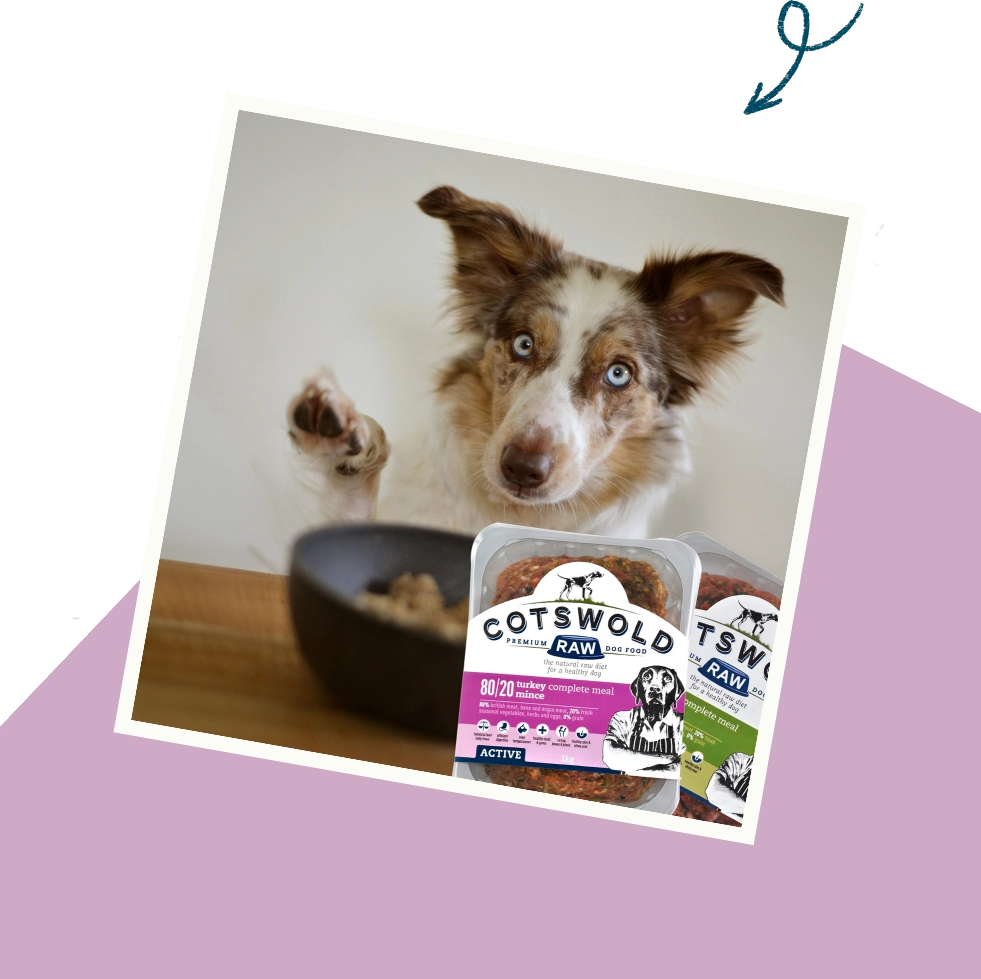
Cotswold RAW meals should be kept frozen until required and fully defrosted in the fridge before feeding. Once thawed, meals will remain fresh for 48–72 hours when stored correctly. As with all raw meat, fully defrosted food, which has reached room temperature, should not be refrozen. Following simple preparation and hygiene practices helps keep your dog’s meals fresh, safe and ready to serve.
See our Preparation and Hygiene Guide for further information.
Opinions differ on mixing raw food and kibble. Raw meat and bone are digested in the highly acidic environment of the stomach, which supports protein digestion and mineral release from bone. Diets higher in cereals and starches can influence stomach acidity and digestive processes differently. As a result, combining raw and processed foods in the same meal may not suit every dog and can cause digestive upset in some cases. If you do wish to feed both, we recommend feeding them separately rather than combining them in the same meal, for example, raw in the morning and kibble in the evening. Some owners use this approach during the transition to raw, before moving towards a fully raw diet.
Raw feeding is more affordable than many owners assume. Although raw food can have a higher upfront cost than some kibble, the difference reflects the quality of the ingredients used. Raw diets provide fresh, nutritious foods without relying on unnecessary fillers or excessive carbohydrates, meaning you are investing in genuine nutrition for your dog. Many owners find that supporting their dog’s overall health through a species-appropriate diet can offer long-term value, including the potential to reduce costs associated with diet-related health issues. Cotswold RAW also offer a subscription option across all our ranges, providing subscriber savings and convenient, fuss-free deliveries.
Concerns around raw feeding often centre on food safety, bacterial contamination and ensuring nutritional balance. These concerns are particularly relevant when feeding poorly formulated homemade diets or raw foods that are not produced to strict safety standards. At Cotswold RAW, our complete meals are formulated to FEDIAF guidelines and produced under rigorous quality and hygiene protocols. We are DEFRA and APHA approved, with full ingredient traceability from trusted suppliers. We have also achieved the UK Pet Food Raw Standard, demonstrating our commitment to going above and beyond legal requirements for safety, quality and best practice throughout every stage of production.
A growing number of vets and veterinary nutritionists recognise that raw feeding is a suitable choice when it is correctly formulated, sourced and handled. Research continues to explore the benefits of raw diets, including their impact on gut health, digestion and dental health. Please note, that dogs with specific medical conditions or compromised immune systems should always have their diet discussed with a veterinarian.
No. Cotswold RAW meals are specifically formulated to be fed raw, and we do not recommend cooking them. Our meals contain soft raw bone, which provides essential calcium and phosphorus, but cooking removes moisture and causes bones to become harder, brittle and difficult to digest. Heat processing can also alter proteins and reduce the availability of some naturally occurring nutrients. Never cook raw meaty bones, as cooked bones can splinter and pose a risk of choking or internal injury. If you prefer to feed cooked food, choose a diet that has been specifically formulated and balanced for cooking.
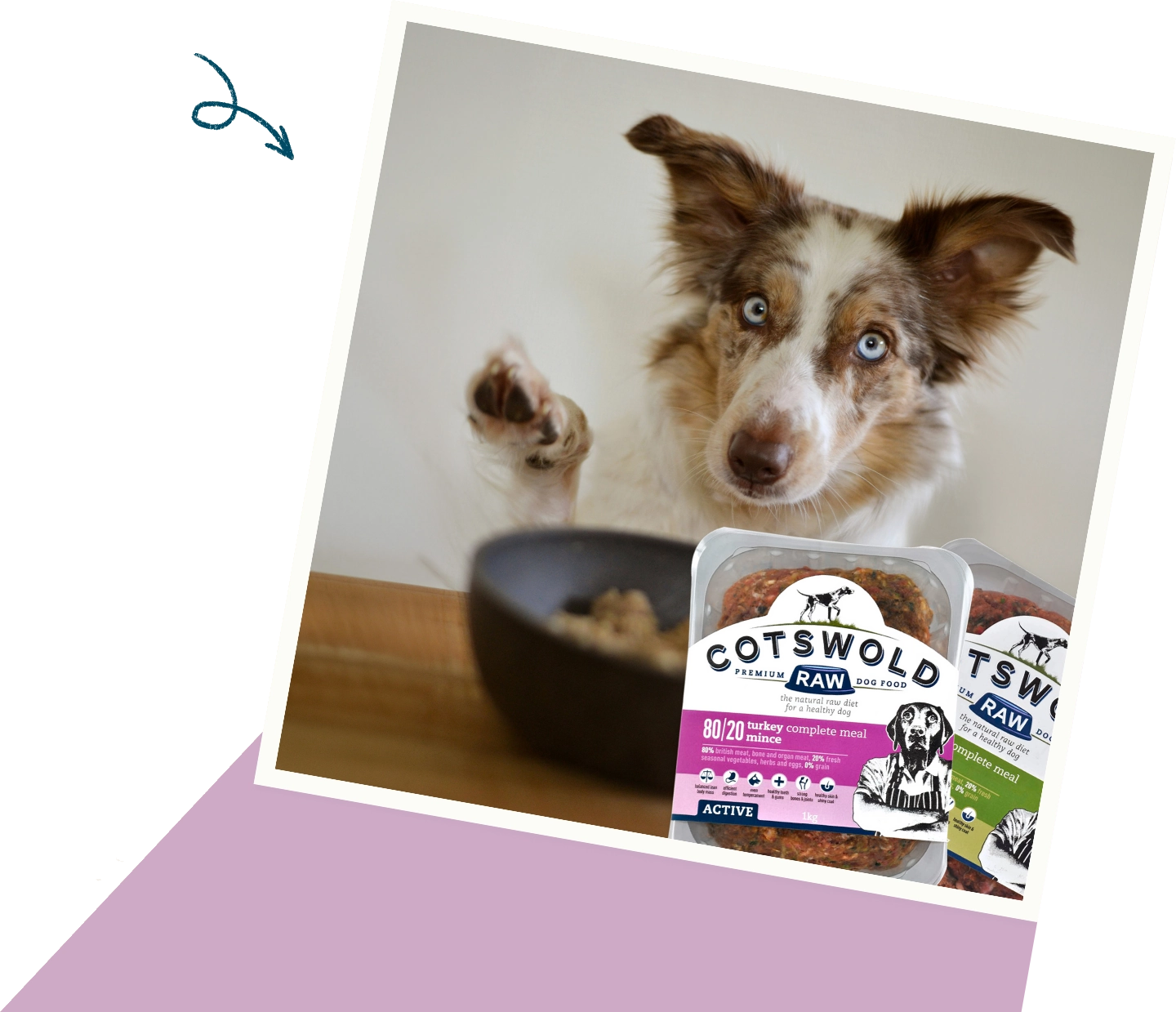
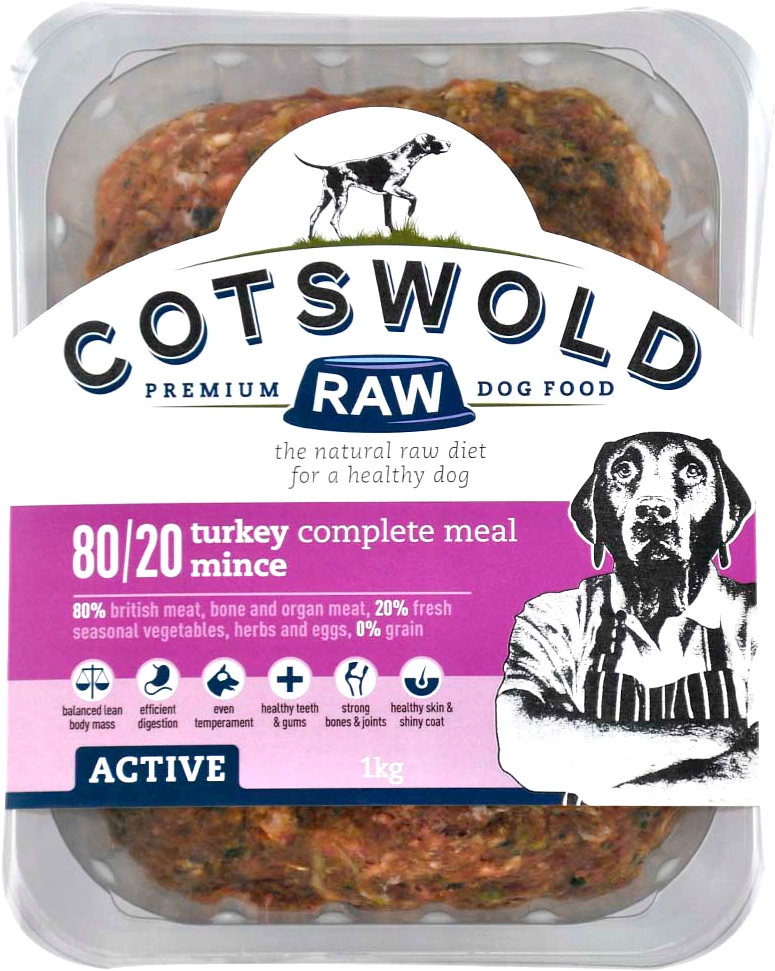
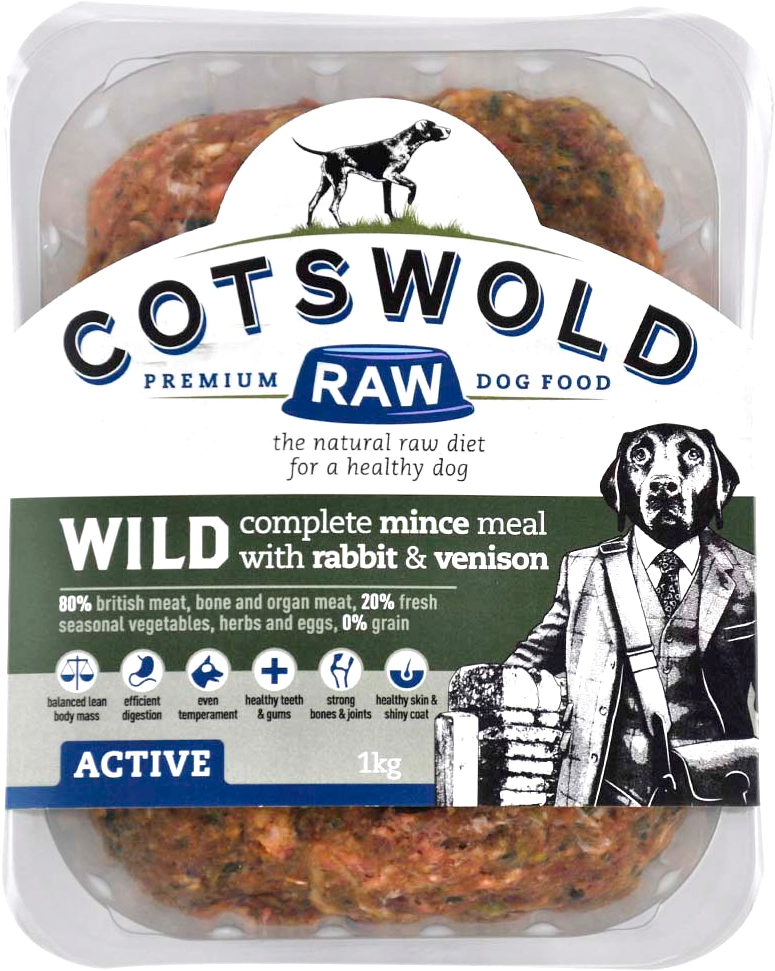
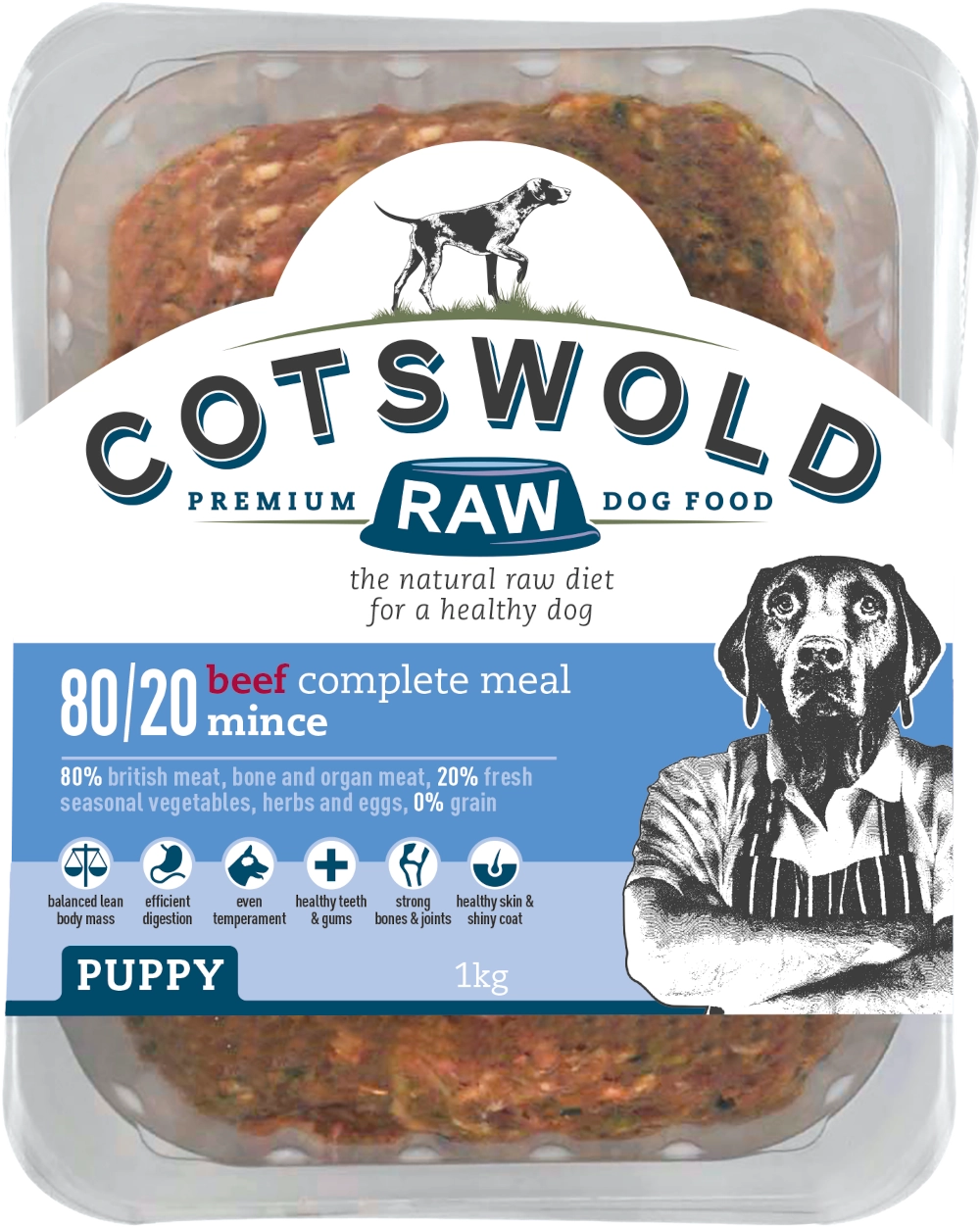
The 80/20 model refers to a complete raw diet made up of 80% meat, offal and bone, with 20% fresh vegetables and herbs. Our 80/20 meals are formulated to be complete and balanced according to FEDIAF guidelines, meaning every meal provides the nutrients your dog needs. Our 80/20 Active Mince and Sausages, Wild Mince, and Puppy Mince follow these ratios.
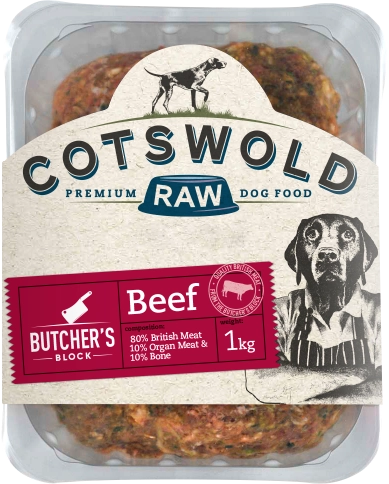
The 80/10/10 model consists of 80% meat, 10% offal and 10% bone. This model provides a natural raw feeding foundation, but it is not complete on its own and requires additional ingredients to achieve nutritional balance. Foods such as eggs, oily fish and plant matter can be added to provide missing nutrients. Our Butcher's Block is an 80/10/10 meal.
Read more about the Different Raw Feeding Models.