Not all raw diets are created equal. If you’re new to raw feeding, the labels on packaging can be a little confusing at times. What do those numbers mean – 80/20? 80/10/10? And most importantly, is the food you’re giving your dog complete and balanced?
This guide breaks down the different feeding models and ingredient ratios used in raw dog food and what this means for the diet’s nutritional value.
Complete vs. Complementary Dog Food
Complete Food: Pet food which, by reason of its composition, is sufficient for a daily ration (Regulation (EC) No 767/2009). This means the food has everything your dog needs in one meal. It’s balanced with the right mix of protein, fat, vitamins, and minerals. You can feed it every day without needing to add anything else.
Complementary Food: Pet food which has a high content of certain substances but which, by reason of its composition, is sufficient for a daily ration only if used in combination with other pet foods (Regulation (EC) No 767/2009). This type of food is not balanced on its own. It might be rich in meat or other ingredients, but it’s missing some essential nutrients. You’ll need to mix it with other foods to make sure your pet gets a complete diet. Feeding only complementary food without adding the right extras can lead to nutritional imbalances over time.
80/20 (Complete)
The 80/20 model refers to a raw food diet made up of: 80% raw meat, offal, and bone and 20% fresh vegetables, and botanicals.
To truly be labelled complete, a dog food must comply with the FEDIAF (European Pet Food Industry Federation) nutritional standards. In raw feeding, this is achieved by providing a mix of quality meat ingredients, plant matter and other functional nutrients.
Feeding a complete meal like this makes raw feeding simple. You just defrost, serve, and know your dog’s getting everything they need.
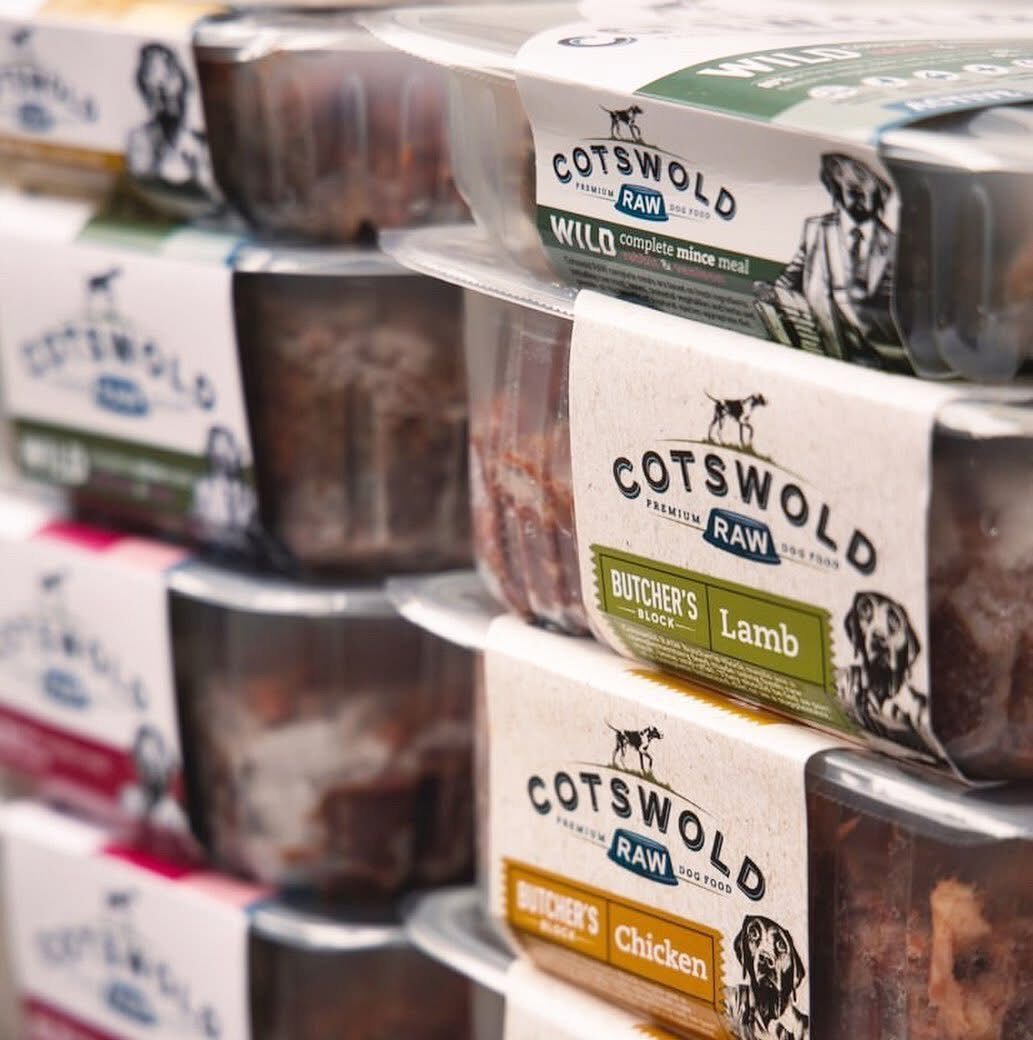
Cotswold RAW offer a wide range of both farmed and wild proteins, allowing you to provide variety in your dog’s diet. All our complete meals also contain egg, which is an excellent source of vitamins and fatty acids.
See our blog “What’s in the Bowl” for a full breakdown of the ingredients we use in our complete meals.
80/10/10 (Complementary)
The most common complementary raw foods follow the 80/10/10 model. This is made up of: 80% muscle meat, 10% offal, and 10% bone
This model aims to mimic the “ancestral diet” of wild canines. However, it’s not nutritionally complete on its own. While this model does cover many core nutrients, it’s missing key vitamins and minerals found in plants and other food groups—like iodine, manganese, folic acid, and vitamin K.
That’s why 80/10/10 is considered a complementary food. It can form the foundation of your dog’s diet, but you’ll need to add other foods or supplements to ensure complete nutrition.
How to Balance an 80/10/10 Diet
If you’re feeding 80/10/10 as part of your dog’s raw diet, here’s how to help fill in the nutritional gaps:
- Add eggs 2–3 times a week. These are rich in vitamins, choline, and healthy fats.
- Add oily fish (like sardines or mackerel) 2–3 times a week. These are a great source of vitamin D and omega-3s.
- Use a natural herbal supplement (such as our Butcher’s Blend). A sprinkle of herbs is packed with phytonutrients and antioxidants.
- Add some vegetables or fruits. These provide fibre, vitamins, and prebiotics for gut health.
Feeding multiple different meats over the course of a week utilises the concept of balance over time – which is achieved through protein rotation and addition of other foods to the diet. Offering a protein rotation ensures essential amino acid requirements are met, supporting optimal dietary balance.
Important: Some 80/10/10 products may be incorrectly labelled as “complete.” Always check for FEDIAF compliance to be sure.
Key Takeaways
Whether you choose to feed 80/20 complete meals or prefer to build your own diet around the 80/10/10 model, the key is ensuring balance.
- For simplicity and peace of mind, complete meals are a great daily option.
- If you prefer the DIY approach with 80/10/10, be sure to add variety and the right extras to keep your dog thriving.
When in doubt, consult a professional to make sure your raw-fed dog is getting everything they need—every day.
Looking to enhance your pet’s diet? Take a look at Cotswold RAW’s range of raw dog food and raw cat food, including raw meaty bones, dried treats, and puppy food.