
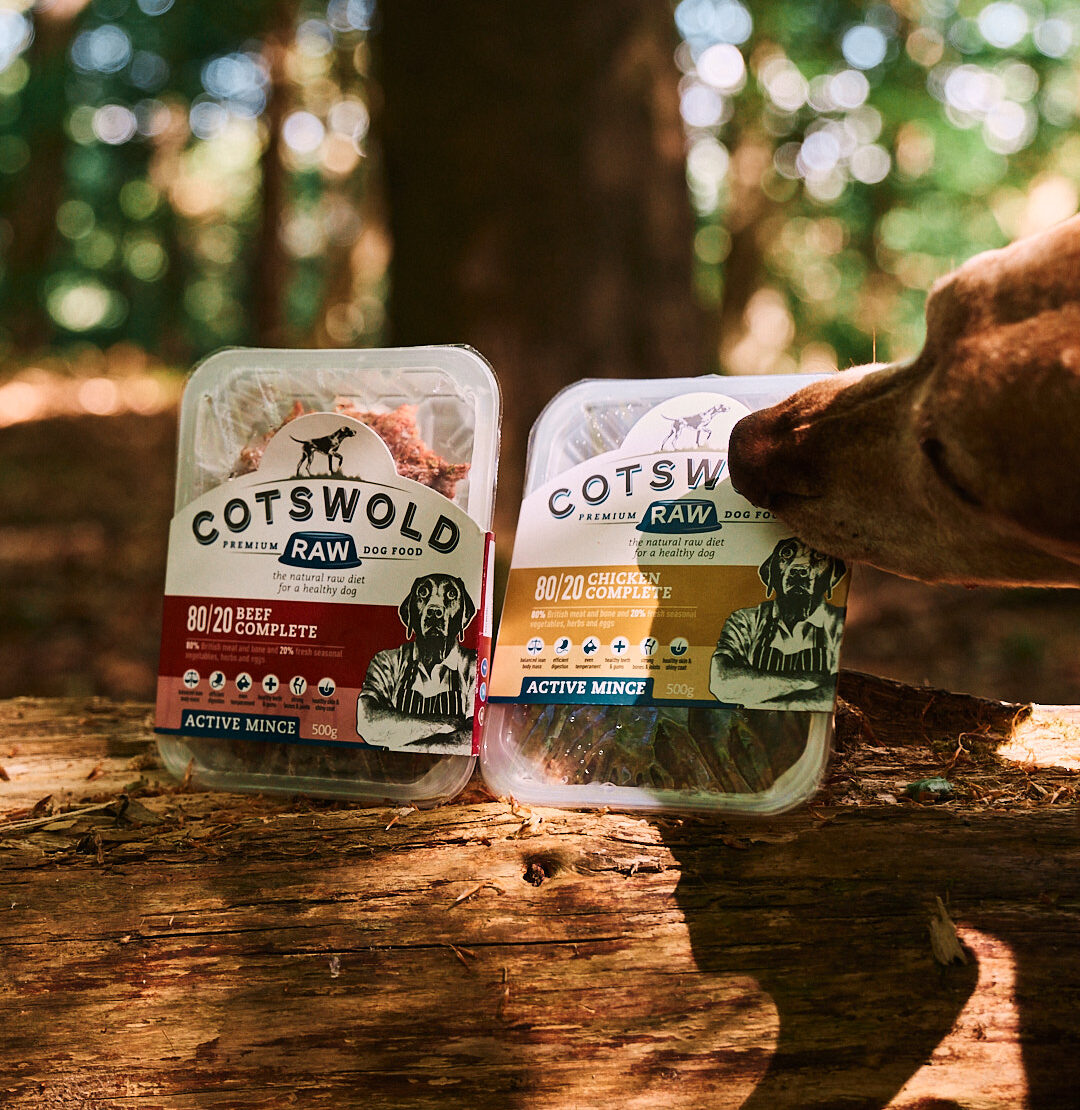
A dog who occasionally skips meals, but has a healthy weight, good energy levels, and overall good condition is one thing. However, if a normally enthusiastic eater suddenly loses interest in food, it’s important to investigate why.
Changes in appetite can sometimes be linked to discomfort, dental sensitivity, digestive issues, or mobility problems that make eating uncomfortable. Some dogs may also become fussy due to an underlying food intolerance. If your dog struggles with chronic skin or digestive issues, their diet could be causing discomfort, which may affect their desire to eat.
Once any underlying health concerns have been ruled out, we can look at some common behavioural and lifestyle reasons behind fussy eating, and what you can do to help.
Food Aversion
Dogs can sometimes develop an aversion to a particular food if they felt unwell after eating it, even if the food itself was not responsible. This negative association may make them reluctant to eat that food again and can take time and positive reinforcement to overcome.
You May Be Overfeeding For Their Life Stage
Puppies go through different growth phases, and calorie requirements can vary significantly depending on breed, size, and age.
During rapid growth periods, puppies may seem constantly hungry. However, as growth slows, their calorie requirements decrease too. Overfeeding can unintentionally lead to fussiness simply because your dog is not actually hungry.
Senior dogs also require fewer calories as they age. Maintenance energy requirements can decrease by approximately 18–24% in older dogs, meaning they may naturally eat less than they did in earlier life stages.
You May Be Overfeeding For Their Activity Levels
Many owners unintentionally overestimate how active their dogs really are, which can lead to overfeeding.
Our 80/20 active mince is specifically formulated for highly active dogs, with increased protein and fat levels to support energy expenditure. Less active dogs may not require as much food as expected, and fussiness can sometimes simply be their way of saying they are full.
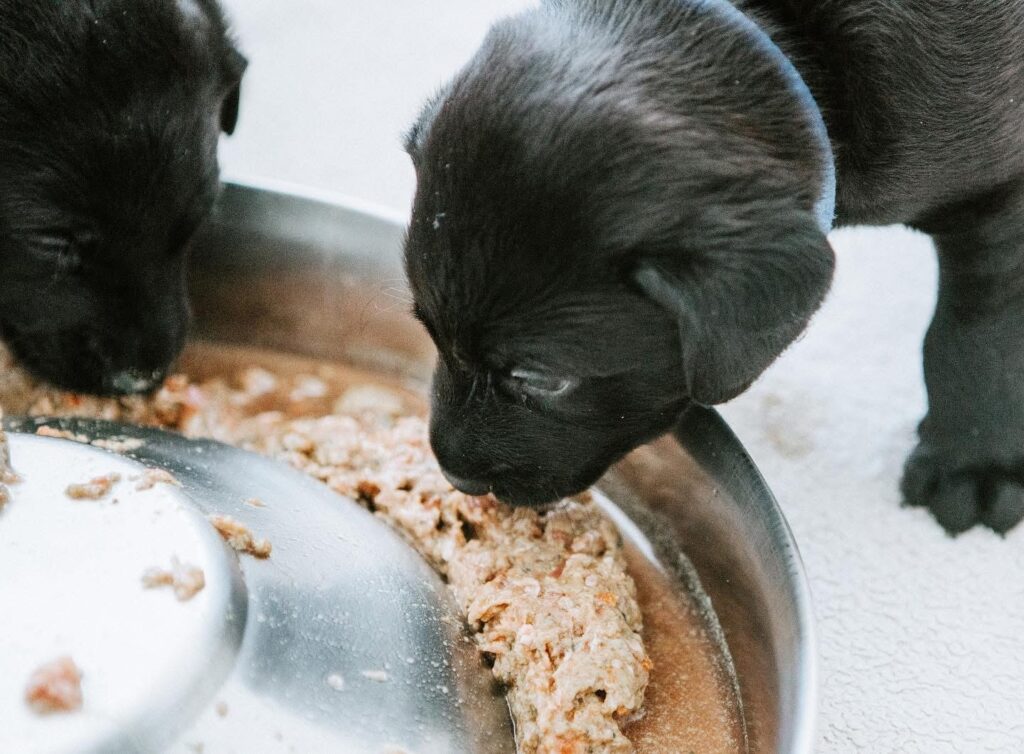
Why Has My Puppy Become Fussy?
Fussy eating is particularly common in puppies and adolescent dogs. During the first year of life, puppies experience rapid physical growth, teething, hormonal development, and major behavioural changes, all of which can temporarily affect appetite.
Unlike adult dogs, puppies often go through phases where their hunger levels fluctuate significantly from week to week. It’s normal for a puppy to seem hungry during one growth phase, and then less interested in food as growth slows.
Teething
Teething can make eating uncomfortable, particularly when food contains larger chunks or firmer textures. Puppies may temporarily prefer softer textures during this stage. Our puppy food is minced finer than our adult range, so can be better for delicate mouths.
Hormones
As puppies mature, they experience significant hormonal and psychological changes that can temporarily impact appetite, focus, and behaviour. During this stage, many puppies become more distracted by their environment, less food motivated, or more selective with meals.
For some dogs, this coincides with increased independence and testing boundaries, meaning mealtimes can sometimes become behavioural rather than appetite related.
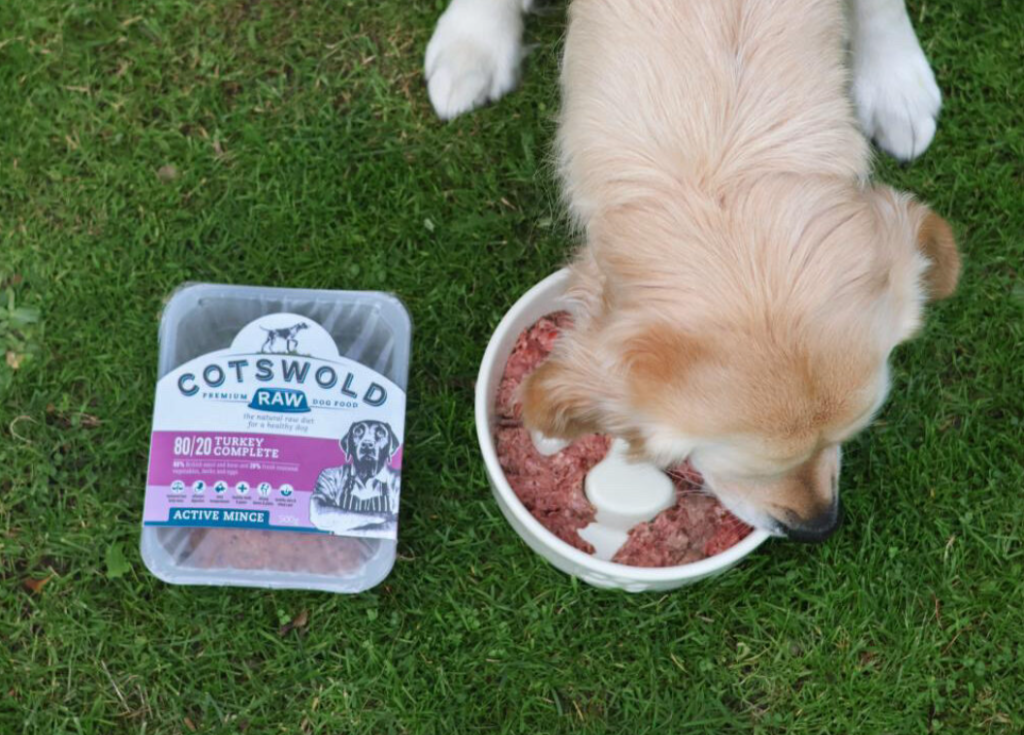
How Can I Encourage My Fussy Dog To Eat?
Warm The Food
Lightly warming food can help release aromas and make meals more enticing.
Raw food should never be cooked, microwaved, or fried, as it contains minced bone. Instead, add a little warm water or place the sealed food in hot water for a couple of minutes before serving. We suggest warming food in a freezer bag or sealed container to preserve the nutritious juices.
Adding some warmed bone broth can also be an excellent palatability enhancer. Our free-range chicken bone broth with turmeric adds a rich meaty aroma.
Add a Gentle Meal Topper
For dogs that need a little encouragement at mealtimes, adding a small amount of a natural topper can help increase interest in food without completely changing the diet.
Our duck crumble can be lightly sprinkled over meals to enhance aroma, texture, and palatability, making food more enticing for fussy eaters. This can be particularly useful during temporary fussy phases, after illness, or for puppies going through teething or adolescence.
The key is to use toppers consistently and in moderation, rather than continually changing foods or offering multiple alternatives at each meal.
Consistency is Key
Consistency is one of the most important factors when managing a fussy eater.
While small adjustments to mealtimes can help encourage eating, frequently changing foods in response to refusal can unintentionally reinforce picky behaviour. Some dogs quickly learn that skipping meals results in extra attention or tastier alternatives.
Healthy adult dogs can safely skip meals for short periods. Dogs evolved to handle irregular feeding patterns and are physiologically capable of fasting for longer than many owners realise.
Remain calm, avoid pressure around meals, and stick to a predictable feeding routine.
Variety Can Still Be Beneficial
Consistency in feeding routine does not necessarily mean feeding the exact same protein or format every single day.
Introducing planned variety through different protein sources or raw formats can help maintain interest in food without reinforcing fussy behaviour. A structured protein rotation adds enrichment and helps prevent flavour fatigue, while still keeping feeding routines predictable.
Our core 80/20 range is available as both chunky mince and easy-to-serve sausages, making it easy to introduce variety in a balanced way.
The important distinction is between planned variety and reactive changes. Regular rotation as part of a normal feeding routine can support a healthy appetite, whereas constantly changing foods in response to meal refusal can teach dogs to hold out for something “better.”
Try A Different Bowl
Feeding bowls are often overlooked, but they can influence your dog’s comfort during mealtimes. Some dogs prefer shallow bowls, wider dishes, or raised bowls.
Others enjoy working for their food. Offering meals in a slow feeder, enrichment toy, or lick mat can make mealtimes more engaging and stimulating.
Watch the Treats
Treats should make up no more than 10% of your dog’s daily calorie intake.
Too many treats can encourage dogs to reject their regular meals in favour of tastier alternatives. This is problematic because complete meals are formulated to provide balanced nutrition, while treats are not. If your dog refuses their meal, avoid replacing it with treats.
Avoid Distractions
Avoid hovering over your dog during meals, as this can unintentionally increase anxiety or pressure around eating.
Instead, feed in a calm, quiet area, limit distractions, and keep mealtimes relaxed and predictable.
A calm environment can make a significant difference for sensitive or easily distracted dogs.

Looking to enhance your pet’s diet? Take a look at Cotswold RAW’s range of raw dog food, including raw meaty bones, dried treats, and puppy food.