Choosing the right diet for your dog can feel overwhelming, especially with so many options available. Two common, but very different, feeding choices are raw food and kibble — but how do they differ, and what impact can they have on your dog’s health?
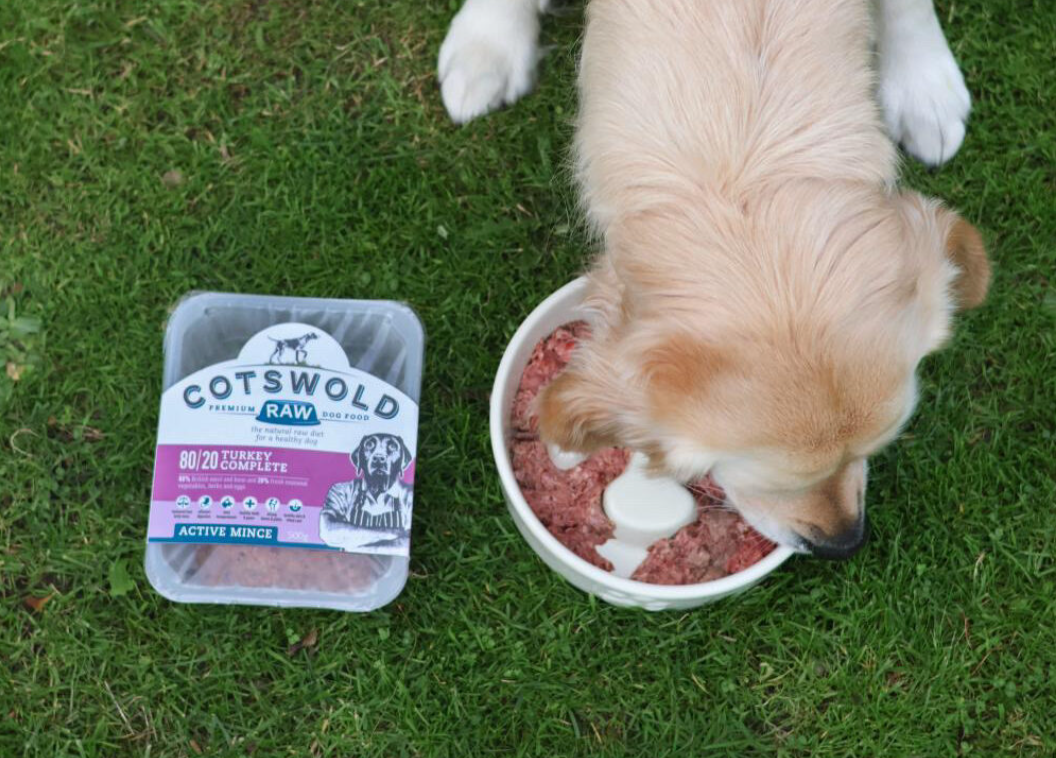
Raw dog food is made from uncooked, minimally processed ingredients such as meat, offal, bone, vegetables, and herbs. The aim of a raw diet is to provide foods in a form that more closely resembles the diet of dogs’ ancestors than conventional processed pet foods.
Kibble is a type of dry dog food typically made from a combination of processed meat, grains, oils, and often vegetables. These ingredients are cooked at high temperatures, formed into pellets, and dried to create a convenient, shelf-stable product with a long shelf life.
The History of Kibble
Commercial pet food emerged in the late 1800s when James Spratt introduced the first commercially produced dog biscuit, marking a shift from feeding dogs table scraps to manufactured diets. Canned dog food became increasingly popular during the early 1900s, but metal rationing during World War II encouraged manufacturers to focus on dry kibble instead.
By the 1950s, extrusion technology, adapted from cereal production, enabled kibble to be produced cheaply, consistently, and at scale. Between the 1960s and 1980s, advances in veterinary nutrition also led to the development of life-stage formulas and prescription diets. During the 1990s and 2000s, the market expanded to include “premium” and “natural” processed foods, while more recent years have seen the rise of grain-free, high-meat, freeze-dried, and personalised subscription-based diets.
Over time, these developments shifted pet nutrition towards highly manufactured diets that prioritised convenience, consistency, affordability, and long shelf life.
The Evolution of Dogs and Carbohydrates
The domestication of dogs has influenced their ability to digest carbohydrates compared with their grey wolf ancestors. Domestic dogs typically possess between 3 and 32 copies of the AMY2B gene, which is responsible for producing pancreatic amylase, the enzyme that digests starch. In contrast, wolves and dingoes generally have only two copies of this gene (1).
As dogs lived alongside agricultural communities for thousands of years, they were exposed to more starch-rich foods, creating evolutionary pressure that favoured increased starch digestion. However, this adaptation varies considerably between breeds. For example, Siberian Huskies typically possess only three to four copies of the AMY2B gene, suggesting a more limited adaptation to starch digestion than many other breeds.
Unlike humans, dogs produce little to no salivary amylase for to begin starch digestion in the mouth. Instead, they rely primarily on pancreatic amylase, which is produced in relatively modest amounts compared with omnivorous species.
Importantly, the ability to digest starch does not necessarily mean that a diet high in starch is biologically optimal (2).
Complete and Balanced Nutrition
A complete and balanced diet provides the correct proportions of protein, fat, vitamins, minerals, and other essential nutrients to meet a dog’s daily nutritional requirements.
To comply with FEDIAF nutritional guidelines, many processed diets are fortified with synthetic vitamins and minerals to replace nutrients lost during manufacturing. In contrast, complete raw meals are formulated so that nutrients are supplied primarily by whole-food ingredients rather than through extensive fortification.
With complete frozen meals now widely available, feeding a nutritionally balanced raw diet has also become much more convenient, making it easier for owners to provide fresh food without the faff of formulating meals themselves.
Is Raw Feeding More Expensive Than Kibble?
Raw feeding is often perceived as being more expensive than kibble, but the difference is not always as large as many owners expect. Although raw feeding can have a higher upfront cost than some kibble, the difference reflects the quality of the ingredients used. Raw diets provide fresh, nutritious foods without relying on excessive carbohydrates, meaning you are investing in genuine nutrition for your dog.
Many owners find that supporting their dog’s overall health through a species-appropriate diet can offer long-term value, including the potential to reduce costs associated with diet-related health issues. With a range of complete raw meals and subscription options now available, raw feeding has also become more accessible and convenient than ever before.
Can You Mix Raw and Kibble?
Whether raw food and kibble should be fed together is a topic of ongoing debate. Some owners successfully feed both, while others prefer to keep them separate.
Raw food is digested in the highly acidic environment of the stomach, where stomach acid plays an important role in breaking down proteins and releasing minerals from bone. Processed diets differ considerably in their composition and digestibility, and some dogs may experience digestive upset when raw food and kibble are fed together in the same meal.
If you choose to feed both, it’s best to offer them as separate meals, for example, raw in the morning and kibble in the evening, rather than mixing them in the same bowl.
The Impact of Processing on Nutrition
High-temperature processing changes the structure of proteins and fats and can reduce levels of some naturally occurring vitamins and enzymes. It also produces compounds known as Maillard reaction products (MRPs), including heterocyclic amines and acrylamides, which form when proteins and carbohydrates are exposed to high heat.
While gentle cooking can improve the digestibility of some plant ingredients by breaking down tough cell walls, the opposite may occur with meat proteins. Heat can alter amino acids through protein cross-linking, proteolysis, and Maillard reactions, reducing protein digestibility (3). As cooking temperatures and cooking times increase, these changes become more pronounced.
How Diet Influences Your Dog’s Health
Digestion and Gut Health
Diet is one of the biggest factors influencing the composition and function of the gut microbiome (4). Research comparing complete raw diets with high-quality kibble has found differences in gut bacteria, digestibility, and overall health. One recent study reported that dogs fed a raw diet achieved a higher overall health score than those fed a premium kibble, suggesting improvements across several aspects of health (5).
Diet also influences the production of short-chain fatty acids (SCFAs), which are produced when gut bacteria ferment non-digestible carbohydrates. The three main SCFAs are acetate, propionate, and butyrate (6). Of these, butyrate is considered especially important because it is the preferred energy source for the cells lining the colon and has recognised anti-inflammatory and gut-supporting properties (7). Studies have shown that dogs fed raw diets produce higher relative levels of butyrate than dogs fed kibble(6).
Digestibility studies have consistently demonstrated that dogs fed complete raw diets digest more protein, fat, and energy than dogs fed kibble (8,9). Improved digestibility means that more nutrients are absorbed and less undigested material passes through the digestive tract, resulting in smaller stool volumes and improved faecal quality.
Inflammation and Immune Health
While changing to a raw diet is not a cure for inflammatory disease, nutrition can play an important role in supporting normal immune function and reducing dietary factors that may contribute to inflammation.
Otitis (ear inflammation) is one of the most common inflammatory conditions seen in dogs. A recent study found that puppies fed raw diets were significantly less likely to develop otitis as adults, whereas diets high in ultra-processed carbohydrates were associated with an increased risk of developing the condition later in life (10).
Protein digestibility is particularly important because poorly digested proteins are more likely to remain intact within the digestive tract, increasing the opportunity for them to interact with the immune system. Higher protein digestibility has been shown to reduce the binding of food proteins to antibodies, potentially increasing the threshold required to trigger symptoms in animals with food allergies (11). Similar findings have also been reported in cats, where raw diets provide significantly higher crude protein digestibility than dry food (12).
Fresh diets are often chosen by owners wishing to minimise unnecessary additives and highly processed ingredients. While true allergic reactions to food additives appear to be relatively uncommon, food intolerances may occur in some animals.
Skin and Coat Health
Many owners report noticing improvements in their dog’s skin and coat condition after changing to a complete raw diet. These changes are often attributed to the naturally occurring essential fatty acids, high-quality proteins, and amino acids found in fresh animal ingredients.
Research has also shown that puppies raised on raw diets are less likely to develop skin allergies later in life, with benefits thought to be associated with nutrient-dense ingredients such as offal and green tripe (13). In addition, the naturally occurring fats found in raw diets help support the skin barrier and provide anti-inflammatory fatty acids that may reduce dryness and irritation.
Dental Health
Dental disease is one of the most common health problems affecting dogs, with an estimated 80–90% showing signs of disease by three years of age. Left untreated, dental disease can cause pain, tooth loss, and may contribute to wider systemic health problems (14).
Research has shown that dogs fed non-processed, meat-based diets have a significantly lower risk of developing dental calculus than dogs fed carbohydrate-rich, ultra-processed diets (14). Diet also influences the oral microbiome, with high-starch diets providing bacteria with readily fermentable carbohydrates that contribute to plaque formation.
As dogs produce limited salivary amylase, starchy food residues can remain on the teeth, providing a food source for plaque-forming bacteria. In contrast, raw diets are naturally lower in starch and contain bone, which supplies calcium and other minerals that contribute to healthy teeth. While diet alone cannot replace regular dental care, feeding a complete raw diet may support better oral health as part of an overall preventative approach.
In Conclusion
Whether you choose raw feeding, kibble, or a combination of both, the most important factor is providing your dog with a complete and balanced diet that meets their individual needs.
Ultimately, the best diet for your dog is one that provides complete nutrition and supports their individual needs, lifestyle, and health. For owners considering raw feeding, choosing a complete raw diet offers a convenient way to provide fresh ingredients without the need to balance meals themselves.
By understanding how different diets are made and how they may affect your dog, you can make an informed decision about the food that best supports their long-term health and wellbeing.

Looking to enhance your pet’s diet? Take a look at Cotswold RAW’s range of raw dog food, including raw meaty bones, dried treats, and puppy food.
References
- Axelsson, E. et al. (2013) ‘The demonic signature of dog domestication reveals adaptation to a starch-rich diet,’ Nature, 495(7441).
- Kayser, E. et al. (2024) ‘The role of carbohydrates in canine and feline nutrition,’ Animal Frontiers, 14(3), 28-37.
- Brady, C. (2021) Feeding Dogs: The Science Behind The Dry Versus Raw Debate
- Alessandri, G. et al. (2020) ‘Catching a glimpse of the bacterial gut community of companion animals: a canine and feline perspective,’ Microbial Biotechnology, 13(6), 1708-1732.
- Hiney, K. et al. (2021) ‘Clinical health markers in dogs fed raw meat-based or commercial extruded kibble diets,’ Journal of Animal Science, 99(6).
- Herstad, M. V. et al. (2017) ‘A diet change from dry food to beef induces reversible changes on the faecal microbiota in healthy, adult client-owned dogs,’ BMC Veterinary Research, 13(147).
- Goncalves, P. and Martel, F. (2013) ‘Butyrate and Colorectal Cancer: The Role of Butyrate Transport,’ Current Drug Metabolism, 14, 994-1008.
- Bermingham, E. N. et al. (2017) ‘Key bacterial families (Clostridiaceae, Erysipelotrichaceae and Bacteroidaceae) are related to the digestion of protein and energy in dogs,’ PeerJ, 2(5), 3019.
- Algya, K. M. et al. (2018) ‘Apparent Total Macronutrient Digestibility, Serum Chemistry, Urinalysis, and Faecal Characteristics, Metabolites and Microbiota of Adult Dogs Fed Extruded, Mildly Cooked, and Raw Diets,’ Journal of Animal Science, 96(9), 3670-3683.
- Hemida, M. B. M. et al. (2023) ‘Early Life Programming by Diet Can Play a Role in Risk Reduction of Otitis in Dogs’ Frontiers in Veterinary Science, 10.
- Vazquez-Baeza, Y. et al. (2016) ‘Dog and human inflammatory bowel disease rely on overlapping yet distinct dysbiosis networks,’ Nature Microbiology, 1, 16177.
- Marks, S. L. et al. (2011) ‘Enteropathogenic Bacteria in Dogs and Cats: Diagnosis, Epidemiology, Treatment, and Control,’ Journal of Veterinary Internal Medicine, 25(6), 1195-1208.
- Hemida, M. B. M. et al. (2021) ‘Puppyhood Diet as a Factor in the Development of Owner-Reported Allergy/Atopy Skin Signs in Adult Dogs in Finland’ Journal of Veterinary Internal Medicine, 35(5), 2374-2383
- Hemida, M. B. M. et al. (2025) ‘Modifiable early life risk factors for dental calculus in dogs: a retrospective cross-sectional study in Finland,’ BCM Veterinary Research, 21, 430.